Stiff, Achy Joints the Moment You Wake Up? Here's What Many People Over 50 Now Try First
- Why mornings are the worst
- The "dry hinge" problem
- A different approach: on the skin, not in a pill
- What to expect, honestly
- Where to get it
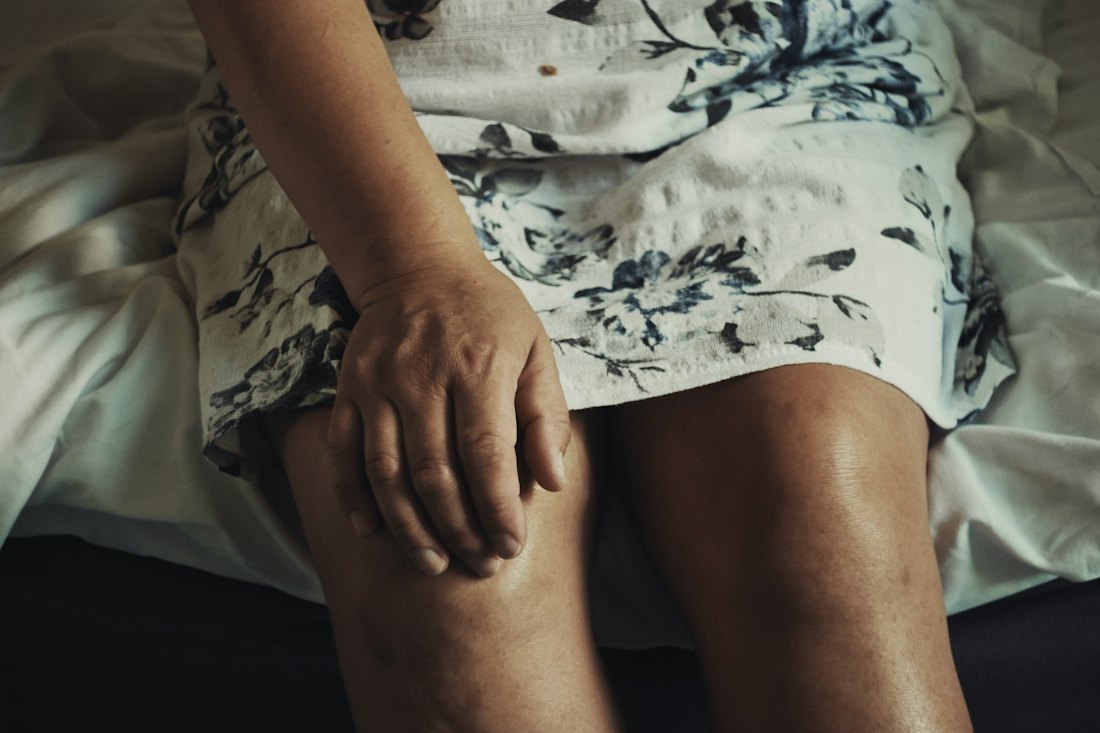
You know the feeling. You swing your legs out of bed, put your feet on the floor, and for the first few steps your knees, hips or hands feel like a rusty hinge.
It loosens up by mid-morning. Usually. But the stairs still remind you. So does getting up from the couch, kneeling in the garden, or lifting a grandchild.
If that's you, you are far from alone. And there's a simple thing a lot of people your age have started doing the moment they wake up.
According to the U.S. Centers for Disease Control and Prevention, about 1 in 5 American adults, over 53 million people, have been told by a doctor they have some form of arthritis. Among adults 65 and older, it's close to half.
And most of them say the same thing: it's worst first thing in the morning.
Why mornings are the worst
While you sleep, you barely move. The joints sit still for seven or eight hours. The fluid that cushions them doesn't get "stirred," muscles around the joint tighten, and the first movements of the day feel stiff and sore.
That's why so many people say the first ten minutes of the day are the hardest, and why what you do in those first ten minutes matters.

The "dry hinge" problem
Think about a door hinge in winter. Cold, still and dry, it squeaks and sticks. Open and close it a few times, add a little warmth, and it swings easier.
Your joints aren't door hinges, but the morning feels a lot like that. That's why the usual advice is gentle movement, warmth, and doing something for the discomfort before you start the day, not after.

Why many people want something other than another pill
For years the go-to answer has been over-the-counter pain pills. They help a lot of people. But plenty of readers tell us they'd rather not take them every single day, especially if they're already juggling other medications.
That's one reason topical products, the kind you apply on the skin right where it hurts, have become so popular with people over 50.
Imagine tomorrow morning. You wake up, apply a few drops to the spot that bothers you most, and give it a few minutes while you make coffee. No pill, no greasy cream on your hands all morning.
A different approach: on the skin, not in a pill
One topical that's been getting attention is Arctic Blast, a liquid drop you apply directly to sore joints and muscles. It's sold online by the company that makes it, not in drugstores, which is why many people haven't heard of it.
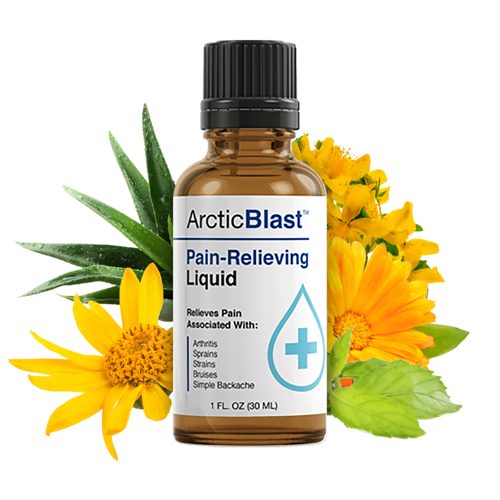
The idea is simple: put it where it hurts, at the moment it hurts, which for most people is first thing in the morning.
| Daily pain pill | Rub-on cream | Topical drop | |
|---|---|---|---|
| Where it works | Whole body | Where applied | Where applied |
| Mess | None | Greasy hands | A few drops, absorbs |
| Good for | General pain | Small areas | Targeted spots: knees, hands, back |
| Ask your doctor if | On other meds | Sensitive skin | Sensitive skin |
What's inside?
The full ingredient list is shown on the official website. Read it before you buy, especially if you have sensitive skin or allergies. A good rule for any topical: try a small patch of skin first.

What to expect, honestly
A topical drop isn't a cure, and it won't rebuild a worn joint. Nothing you rub on the skin can do that. What people are looking for is comfort: an easier start to the morning, an easier walk, an easier set of stairs.
Everyone is different. Some people love it, some don't notice much. That's why the guarantee matters.
Where to get it
Arctic Blast is only sold through its official website. The maker sets the price and often offers multi-bottle bundles.
Your choice
Option 1: Keep doing what you're doing, and keep dreading those first steps out of bed.
Option 2: Watch the short presentation on the official site, read the ingredients, and decide for yourself whether it's worth trying, with a guarantee behind it.
Watch the presentation →Is this a replacement for my doctor's advice?
No. If you have severe, sudden or worsening joint pain, swelling, or redness, see a doctor.
Can I use it with my medications?
Topicals are generally gentler than pills, but check with your doctor or pharmacist, especially if you take blood thinners or have skin conditions.
What if it doesn't work for me?
The maker offers a 365-day money-back guarantee: if you're not happy, return the bottles for a refund. Orders and refunds are handled through ClickBank.